 Spare Human Services
Why a Backyard May Not Be Enough: The Science of Dog Walks
If you have a fenced yard, you might think your dog is getting everything they need — fresh air, room to run, a place to do their business. But research shows that backyard time alone doesn't come close to replacing what a daily walk provides. Here's what the data says.
The Backyard Trap
It's a common assumption: a big yard means a happy, exercised dog. In reality, most dogs don't self-exercise. They step outside, sniff the same patch of grass, do their business, and wait by the door to come back in. The yard becomes a bathroom, not an enrichment space.
According to Dr. Pam Reid, a certified applied animal behaviorist and VP of the ASPCA Anti-Cruelty Behavior Team, dogs thrive on variety. "Most dogs enjoy seeing different things, smelling new smells, feeling novel substrates under their feet and hearing unfamiliar sounds," she told PetMD. A backyard — even a large one — offers the same sensory input day after day. [1]
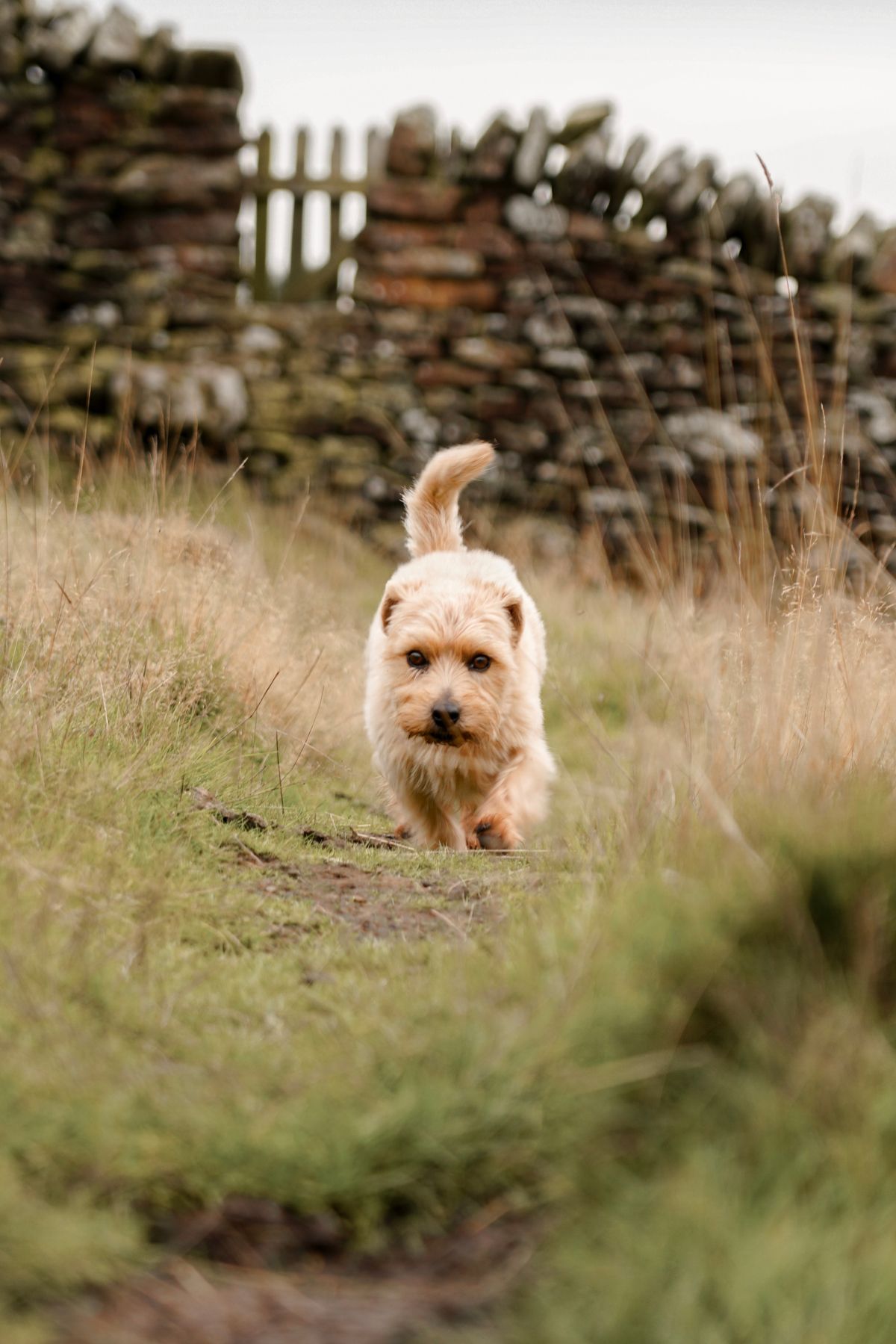
A yard is great for bathroom breaks — but it's the same scenery every day.
What Walks Provide That Yards Can't
1. Mental Enrichment Through Sniffing
A dog's sense of smell is 10,000 to 100,000 times more powerful than ours. When they sniff a patch of grass on a walk, they're reading a rich newsletter about which dogs passed by, what they ate, and how long ago they were there. This isn't just fun — it's cognitive work that tires the brain.
A 2023 field study found that dogs engaging in extended sniffing sessions showed reduced signs of stress and arousal. Sniffing activates the parasympathetic nervous system — the same one responsible for rest and digestion — which lowers heart rate and promotes relaxation. [2]
A 2019 study published in Applied Animal Behaviour Science found that dogs who participated in two weeks of daily nosework tasks performed better on cognitive bias tests than those doing traditional obedience training. In other words, sniffing literally makes dogs more optimistic. [3]
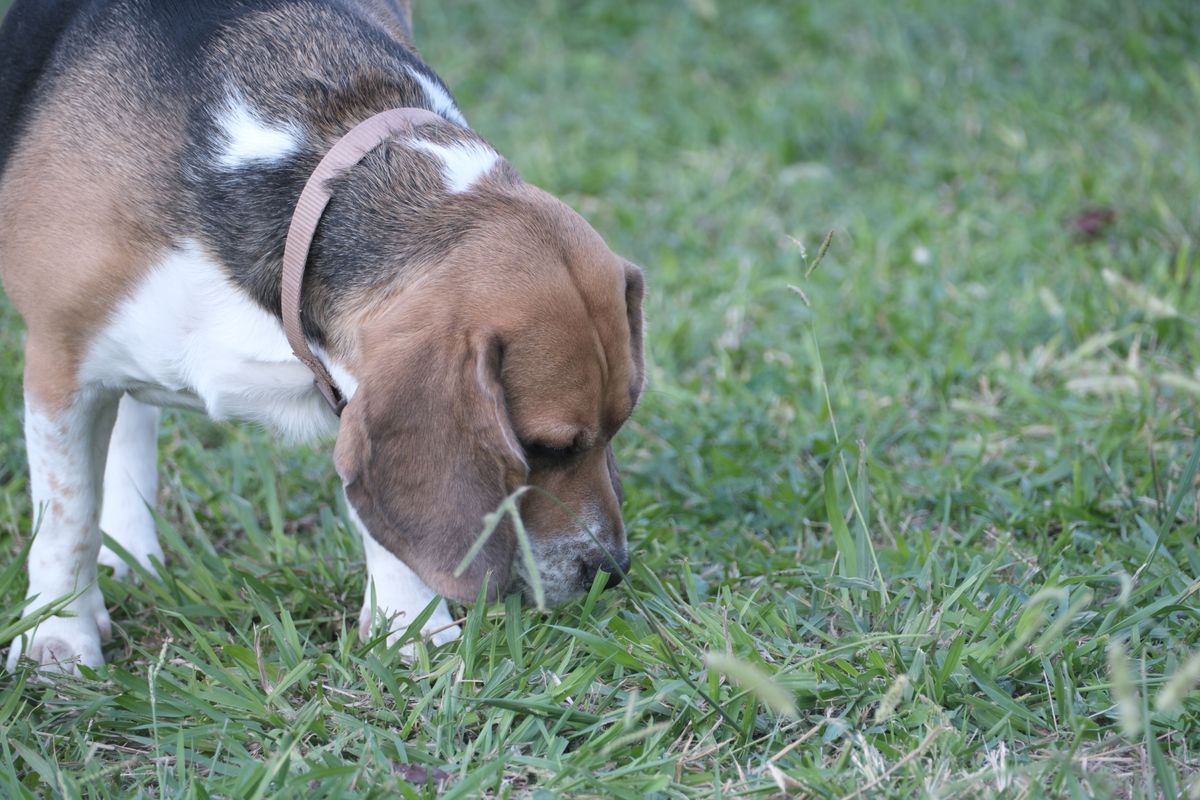
Sniffing isn't a distraction from the walk — it's the whole point for your dog.
2. Behavioral Problems from Yard-Only Dogs
Jenn Fiendish, a veterinary behavior technician in Portland, Oregon, sees the pattern regularly. Dogs who rely solely on the backyard "become bored and frustrated, which can lead to destructive behaviors, barking, repetitive behaviors like perimeter circling, and even escape attempts." She also notes these dogs often develop territorial behaviors — barking, rushing the fence, and running along the fence line when people or other dogs pass by. [1]
Dr. Ari Zabell, a veterinarian with Banfield Pet Hospital, adds that dogs kept only in enclosed spaces "can become less confident and comfortable with new people, pets and experiences." In other words, the backyard can accidentally create a more fearful, reactive dog. [1]
5xDogs given temporary fostering stays were over 5 times more likely to be adopted — proof that time outside the kennel (or yard) transforms behavior and confidence. [4]
3. Socialization and Training
Walks expose dogs to the world: strangers, other dogs, bicycles, skateboards, motorcycles, kids, and novel sounds. Each exposure — if managed well — builds confidence and reduces reactivity. A backyard offers none of this.
Leash walking also reinforces training. As Dr. Reid notes, "It's no fun walking a dog that pulls on leash or zigzags all over the place, so you'll be motivated to work on training your dog to be more mannerly while on leash." [1]
4. Physical Health — For Both of You
Stanford research found that dog walking was associated with lower BMI, fewer chronic health conditions, and fewer doctor visits for owners. Daily dog walkers take approximately 2,900 more steps per day than non-walkers. [5]
For dogs, sustained movement on walks provides cardiovascular exercise that quick yard sprints don't match. The Humane Society of the United States recommends twice-daily walking for dogs' health and fitness. [6]
How Much Walking Does Your Dog Need?
Most experts recommend at least 15–20 minutes of walking per day at minimum, with more needed for high-energy breeds. The Kennel Club and veterinarians generally suggest:
- Small breeds: 30–45 minutes daily
- Medium breeds: 45–60 minutes daily
- Large/active breeds: 60–90+ minutes daily
- Senior dogs: 15–30 minutes, shorter but consistent
The key is consistency. A short daily walk beats a long weekend hike that leaves your dog stiff and sore.
The Bottom Line
A backyard is a supplement, not a replacement. Walks provide mental enrichment, stress reduction, socialization, training opportunities, and physical exercise that no yard can replicate. If you're skipping walks because of a busy schedule, your dog isn't just missing exercise — they're missing the richest part of their day.
Can't get to every walk?
That's exactly what Spare Human Services is here for. Professional dog walking in Largo, Belleair, and Clearwater.
🗓️ Book Online NowOr call/text (727) 386-6349
Sources
- PetMD — Walking Your Dog vs. Just Letting Your Dog Out in the Backyard (2018)
- ScienceDirect — The value of sniffing: A scoping review of scent activities for dogs (2024)
- Oakland Dog Trainer — Why Sniffing Is Essential for Your Dog's Health & Behavior (2025)
- PMC — The Influence of Brief Outing and Temporary Fostering on Dog Adoption
- Stanford Medicine — Dogs Taking Humans for a Walk: Health Benefits
- CDC — Dog Walking and Physical Activity