
Bringing home a new puppy or kitten is one of the most exciting things you'll ever do. It's also one of the most underestimated. Your home — which has been perfectly fine for adult humans — is full of hazards for a tiny, curious animal that explores the world with its mouth. [1][2]
The good news: a few hours of prep can prevent emergencies, save you vet bills, and make those first few days calmer for both you and your new pet. Here's a room-by-room guide to getting it right.
Before you bring them home: supplies you'll need
Get your supplies ready before the big day so you're not scrambling while trying to keep an eye on a curious puppy. [3]
- Food and water bowls — stainless steel or ceramic are easiest to clean
- Age-appropriate food — ask the shelter or breeder what they've been eating; switch gradually over 7–10 days to avoid stomach upset
- A crate or carrier — for puppies, a crate doubles as a safe space and a potty training tool. For kittens, a carrier gives them a secure hiding spot [3]
- Bedding — a soft blanket or bed that can be washed easily
- Toys — stick to size-appropriate, durable toys. Avoid anything small enough to swallow or with parts that can be chewed off [1]
- Puppy pads or a litter box — set up the designated bathroom area before they arrive
- Baby gates and outlet covers — the core proofing essentials [1][2]
Room-by-room proofing checklist
Living Room
- Tuck away or cover all electrical cords — puppies chew them, kittens bat at them [1][4]
- Move houseplants out of reach — many common plants (lilies, pothos, aloe, dieffenbachia) are toxic to pets [2][5]
- Secure heavy bookshelves and tall furniture to the wall — kittens climb, and a tipping shelf can be deadly [4]
- Pick up small items: hair ties, rubber bands, string, coins — all choking hazards [4]
- Loop or tie up window blind cords — these are a strangulation risk for kittens [4]
Kitchen
- Use a locking garbage can or keep it inside a cabinet — kitchen trash is a buffet for a curious puppy [1]
- Store all food in sealed containers or high cabinets — chocolate, grapes, onions, xylitol (sugar-free gum), and coffee are all toxic to dogs [5]
- Keep cleaning products in locked cabinets — bleach, disinfectants, and dishwashing pods can cause severe burns and poisoning [5][6]
- Block off the kitchen if possible — stovetops, hot spills, and sharp objects make it a high-risk zone
Bathroom
- Keep all medications in closed cabinets — ibuprofen, acetaminophen, and antidepressants are among the most common pet poisoning calls to ASPCA [5]
- Close toilet lids — kittens can fall in and drown, and toilet bowl cleaner is toxic if ingested [4]
- Store hair ties, dental floss, and cotton swabs in drawers — these are dangerous if swallowed [4]
Bedrooms
- Pick up shoes, socks, and underwear — puppies love them and they can cause intestinal blockages [1]
- Keep laundry in a hamper with a lid
- Check under the bed for small items a pet could find and swallow
Garage & Yard
- Store antifreeze, pesticides, and fertilizers on high shelves or in locked cabinets — antifreeze is sweet-tasting and lethal in tiny amounts [6]
- Check your fence for gaps and holes before letting a puppy outside
- Remove cocoa mulch from garden beds — it's toxic to dogs [6]
- Keep ice melt products out of reach during winter months [6]
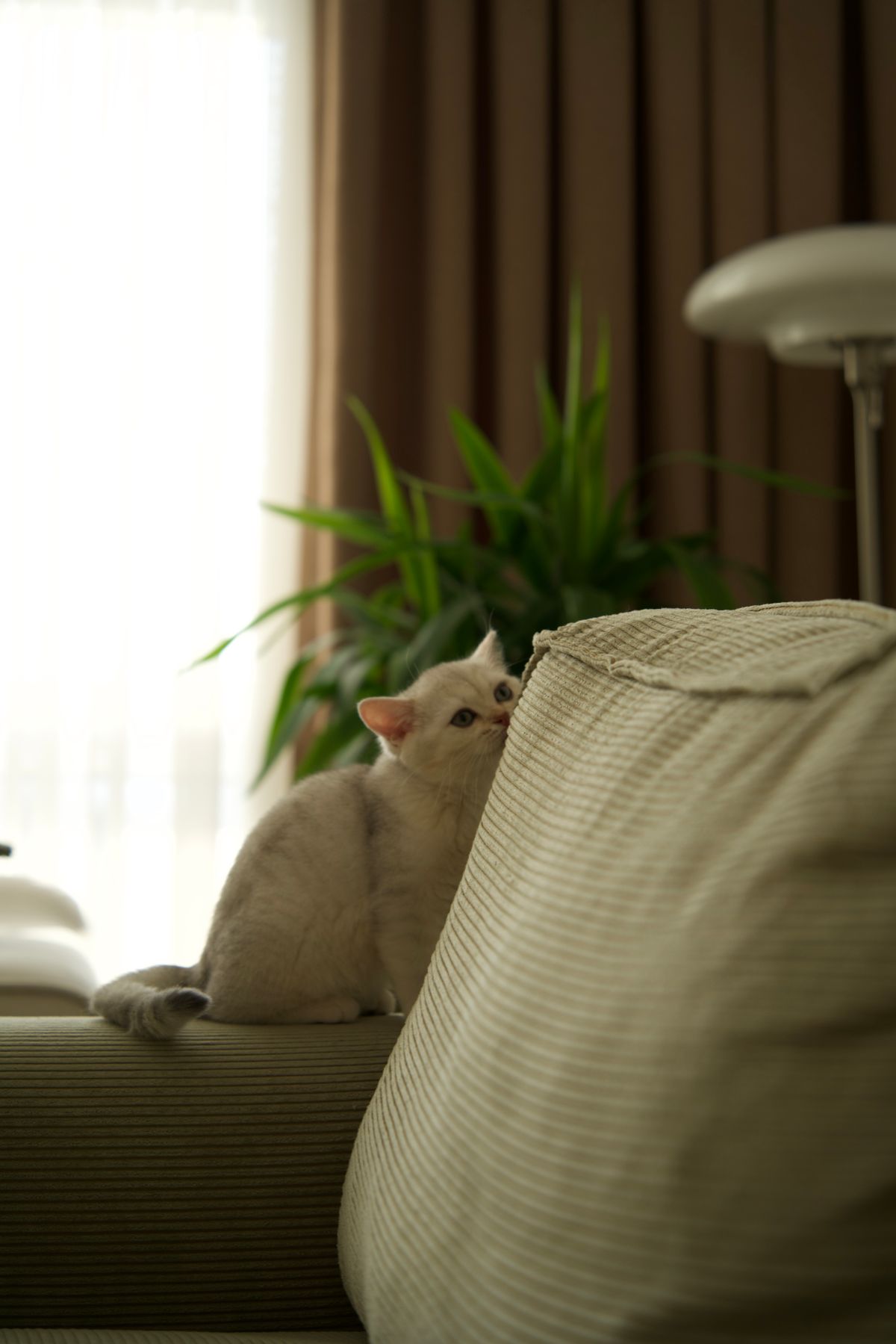
The first night: what to expect
Your new pet's first night home will likely be restless. They've left everything familiar behind — their mother, their littermates, their shelter environment. Expect whining, crying, or pacing. This is normal. [3]
🐾 Key tip: Keep the first day uneventful. Don't invite the whole neighborhood over. Let your pet explore at their own pace in a quiet, calm environment. [3]
For puppies, set up the crate in your bedroom so they can hear and smell you. Put a soft blanket and a piece of worn clothing inside so it smells like you. Don't respond to every whimper, but do take them out for a potty break if crying continues — they may genuinely need to go. [3]
For kittens, set up a single "safe room" for the first few days — a small bedroom or bathroom with their litter box, food, water, and a hiding spot. Let them come out and explore on their own terms. Kittens are especially prone to hiding in small spaces, so block off areas behind appliances and under heavy furniture. [4]
If you already have pets
If you have existing pets, take introductions slowly. The ASPCA recommends letting your current pets meet the new arrival on neutral territory — a walk outside for dogs, or scent swapping with blankets for cats — before bringing the new pet inside the home. [2]
Keep feeding areas separate at first, and supervise all interactions for at least the first week. Don't leave a new puppy alone with an older dog until you're confident they're comfortable together. [2]
The first week
The first week is about routine and patience. Feed at consistent times, establish a potty schedule (puppies need to go out every 1–2 hours at first), and start gentle training. Don't overwhelm your new pet with too many new people, places, or experiences at once. [3]
Schedule a vet visit within the first few days for a wellness check, vaccinations, and to discuss a parasite prevention plan. If you adopted from a shelter, they may have already started vaccinations — bring those records with you. [3]
The bottom line
Proofing your home before your new pet arrives isn't about being paranoid — it's about setting them up to succeed. A safe environment lets your puppy or kitten explore confidently, which means less stress for you and a faster, smoother transition for them.
And once you're settled in, if you need help with walks, drop-in visits, or overnight care while you're at work or out of town — that's exactly what I do. Serving Largo, Clearwater, Seminole, Dunedin, and surrounding Pinellas County.
Need a hand with your pet?
Dog walking, drop-in visits, overnight care, and more — serving Largo, Belleair, and Clearwater.
🗓️ Book Online NowOr call/text (727) 386-6349
Sources
- PetMD, How to Puppy-Proof Your House — Vet-approved room-by-room proofing guide. petmd.com
- ASPCA, What to Inspect When You're Expecting a Puppy or Kitten — Household hazards and introduction tips. aspca.org
- Animal Humane Society & Ontario SPCA, Bringing Your New Pet Home — The First Week — First night tips, crate training, and settling-in timeline. ontariospca.ca
- PetMD, Tips for Kitten-Proofing Your Home — Kitten-specific hazards including blind cords, toilets, and small objects. petmd.com
- ASPCA Poison Control, Top Pet Toxins & Poisonous Household Products — OTC medications are the #1 toxin; common food and household dangers. aspca.org
- FDA, Potentially Dangerous Items for Your Pet — Antifreeze, cocoa mulch, ice melt, and other yard/garage hazards. fda.gov