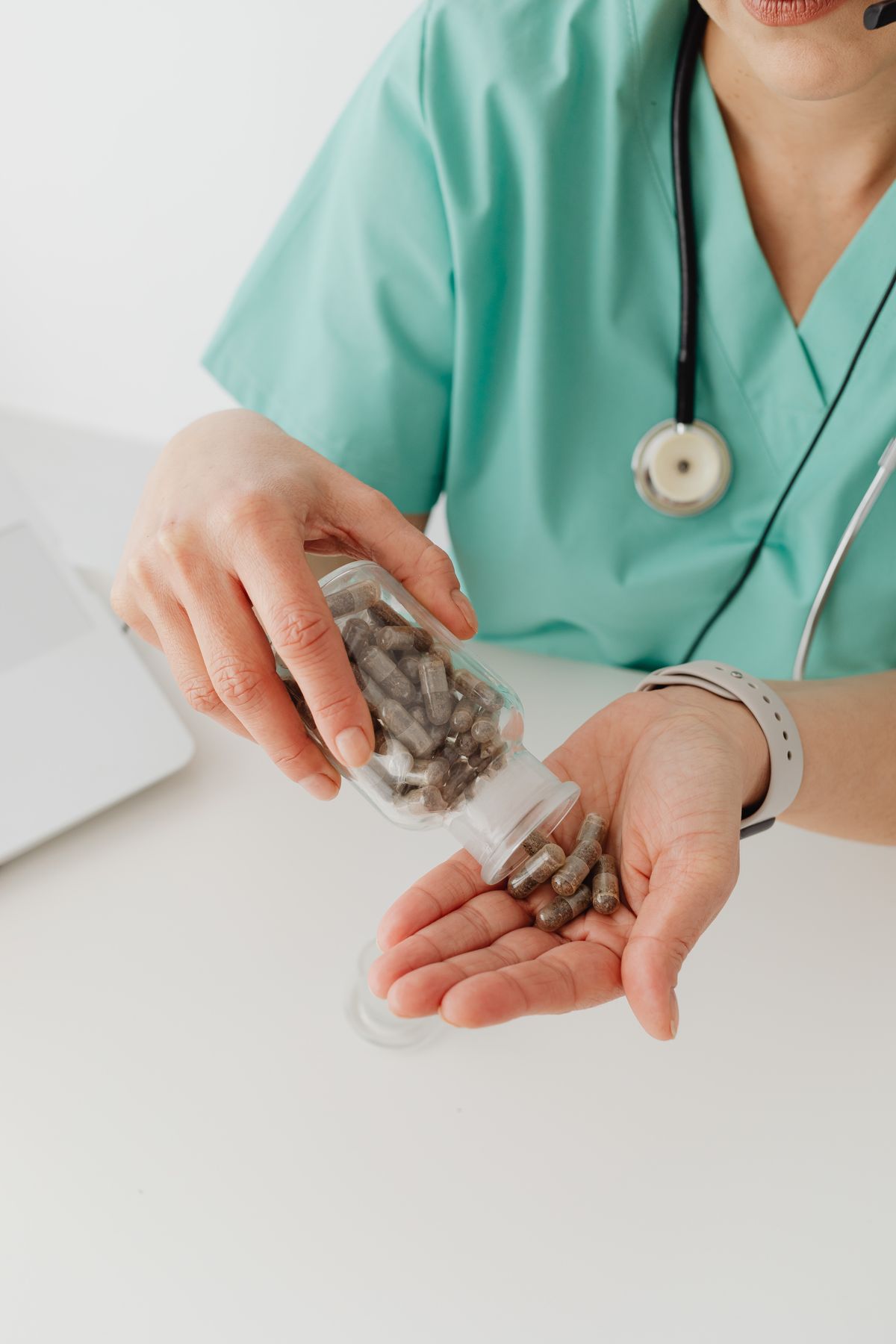
Walk into any pharmacy or grocery store and you'll see an entire wall dedicated to vitamins, minerals, and supplements. Magnesium for sleep. Iron for energy. Vitamin D for immunity. Gummy multivitamins that taste like candy. The supplement industry is booming — but what helps us humans can be dangerous, even fatal, to our pets.
In 2024, the ASPCA Animal Poison Control Center received over 451,000 calls about toxic exposures in animals — and over-the-counter medications (including vitamins and supplements) ranked as the number one category, accounting for 16.5% of all calls.
Here's the problem: pets don't know the difference between a gummy vitamin and a treat. And many supplements contain inactive ingredients — like xylitol — that are perfectly safe for humans but deadly for dogs and cats. Let's break down the most dangerous ones.
1. Xylitol (Hidden in Gummy Vitamins)
Xylitol / Birch Sugar
Xylitol is a sugar substitute found in sugar-free gum, peanut butter, and increasingly, in chewable and gummy vitamins. It's also sometimes listed as "birch sugar" on labels. In humans, it's perfectly safe. In dogs, even a tiny amount causes a massive insulin release, leading to life-threatening low blood sugar, seizures, liver failure, and death.
Symptoms: Vomiting, lethargy, collapse, seizures, jaundice — can appear within 30 minutes.
If you take gummy vitamins, melatonin gummies, or sugar-free supplements, treat them like medication — not candy. A single dropped gummy could send a small dog to the emergency vet.
2. Vitamin D3 (Cholecalciferol)
Vitamin D Supplements
Vitamin D helps humans absorb calcium and maintain bone health. But in pets, an overdose causes calcium and phosphorus levels to spike dangerously, leading to kidney damage and mineralization of soft tissues. The FDA has issued multiple warnings about Vitamin D toxicity in dogs, including from contaminated dog food.
Symptoms: Vomiting, diarrhea, loss of appetite, increased thirst and urination, and in severe cases, kidney failure. Signs can appear 12–36 hours after ingestion.
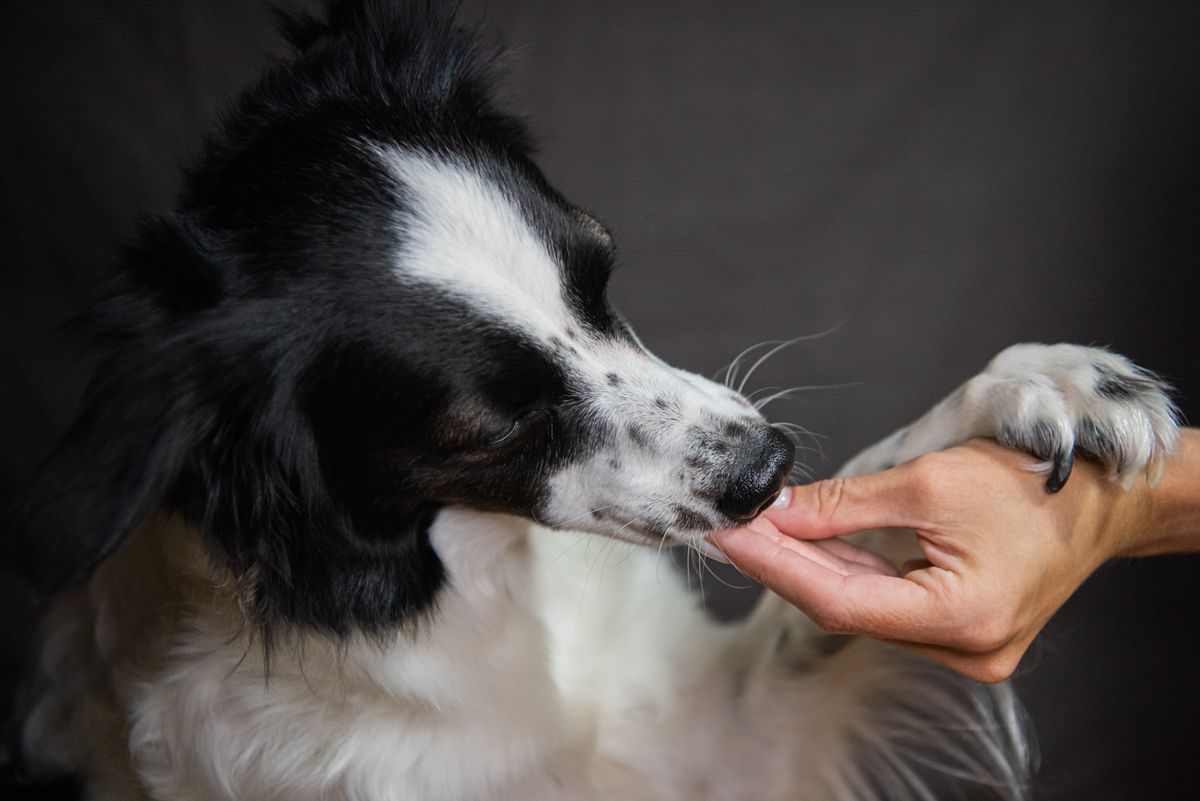
Keep all supplements in closed cabinets, not on nightstands where curious noses can reach.
3. Iron Supplements
Iron / Ferrous Sulfate
Iron is one of the most common supplements people take, especially for anemia. In pets, high doses of iron are caustic to the gastrointestinal tract, causing severe vomiting, diarrhea, and in serious cases, liver damage. Iron toxicity is a medical emergency — the effects can progress from GI irritation to shock and organ failure.
Symptoms: Vomiting (sometimes bloody), diarrhea, abdominal pain, lethargy, and jaundice in severe cases.
4. 5-HTP and Tryptophan Supplements
5-Hydroxytryptophan (5-HTP)
5-HTP is a popular supplement for mood, sleep, and weight loss — it's a precursor to serotonin. But in dogs, it's one of the most dangerous supplements they can get into. Even moderate amounts cause serotonin syndrome, a life-threatening condition characterized by tremors, seizures, elevated heart rate, and high body temperature. The ASPCA warns that the minimum toxic dose for dogs is just 24 mg per kg of body weight.
Symptoms: Restlessness, drooling, vomiting, tremors, seizures, and elevated heart rate — onset can be within 30 minutes.
5. Alpha Lipoic Acid
Alpha Lipoic Acid / Thioctic Acid
This antioxidant is found in many anti-aging and anti-inflammatory supplements. In pets, it causes a rapid drop in blood sugar due to its interaction with insulin. The ASPCA reports that clinical signs — drooling, vomiting, difficulty walking, tremors, and seizures — can appear within 30 minutes to 2 hours.
6. Caffeine Extracts (Green Tea, Guarana, Coffee Extract)
Caffeine-Containing Supplements
Weight loss and energy supplements often contain green tea extract, guarana, or coffee extract. These concentrated caffeine sources cause restlessness, elevated heart rate, high blood pressure, tremors, and seizures in pets. In high doses, caffeine can be fatal.
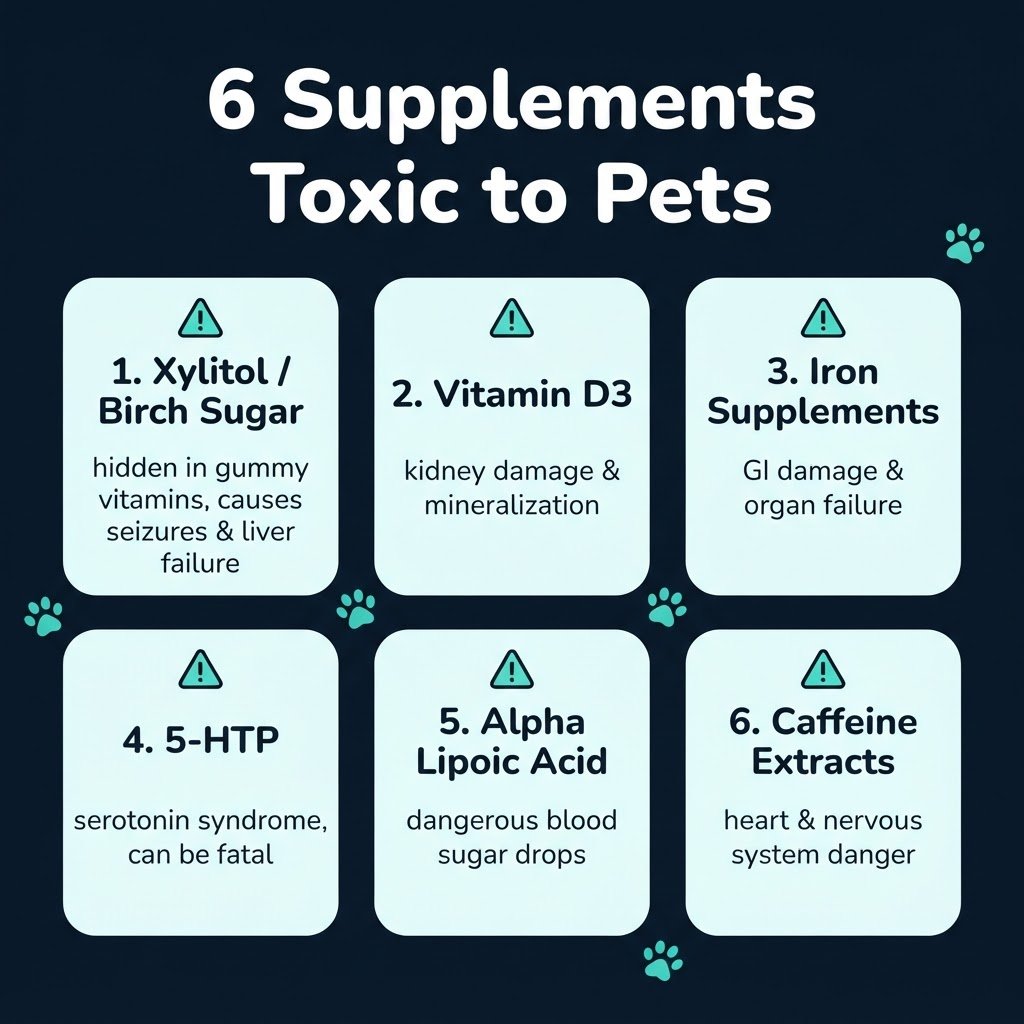
Quick reference guide — share with fellow pet parents.
Cats Are at Risk Too
Cats are curious climbers — keep supplements off countertops too.
While dogs are more likely to raid a supplement bottle (they'll eat almost anything), cats are also at risk. Cats are more sensitive to many substances pound-for-pound, and their tendency to explore countertops means a bottle left out is an invitation. If you have cats, don't assume a high shelf is safe — assume they'll find a way up there.
How to Keep Your Pets Safe
- Store supplements like medication. Keep them in closed cabinets, not on nightstands, countertops, or in purses/backpacks where pets can reach.
- Check labels for xylitol. It may also be listed as "birch sugar" or "wood sugar." If your gummy vitamins contain it, treat the bottle like a toxin.
- Take supplements over a sink. If you drop a pill, you can retrieve it before a pet snaps it up.
- Never give human supplements to your pet without explicit veterinary approval. Even "safe" vitamins can be dangerous at human doses.
- Keep the Pet Poison Helpline handy: (855) 764-7661, or ASPCA Poison Control: (888) 426-4435.
🚨 If Your Pet Ingests a Supplement
Don't wait for symptoms — call immediately.
The Bottom Line
The supplements keeping us healthy are one of the biggest toxicity risks in our homes for our pets. The good news? It's entirely preventable. Treat your supplement bottles with the same caution you'd treat cleaning chemicals or prescription medications — behind closed doors, out of reach, and never on the floor.
Your pets trust you to keep them safe. A little extra caution with your vitamin cabinet is all it takes.
Need a hand with your pet?
Dog walking, drop-in visits, overnight care, and more — serving Largo, Belleair, and Clearwater.
🗓️ Book Online NowOr call/text (727) 386-6349