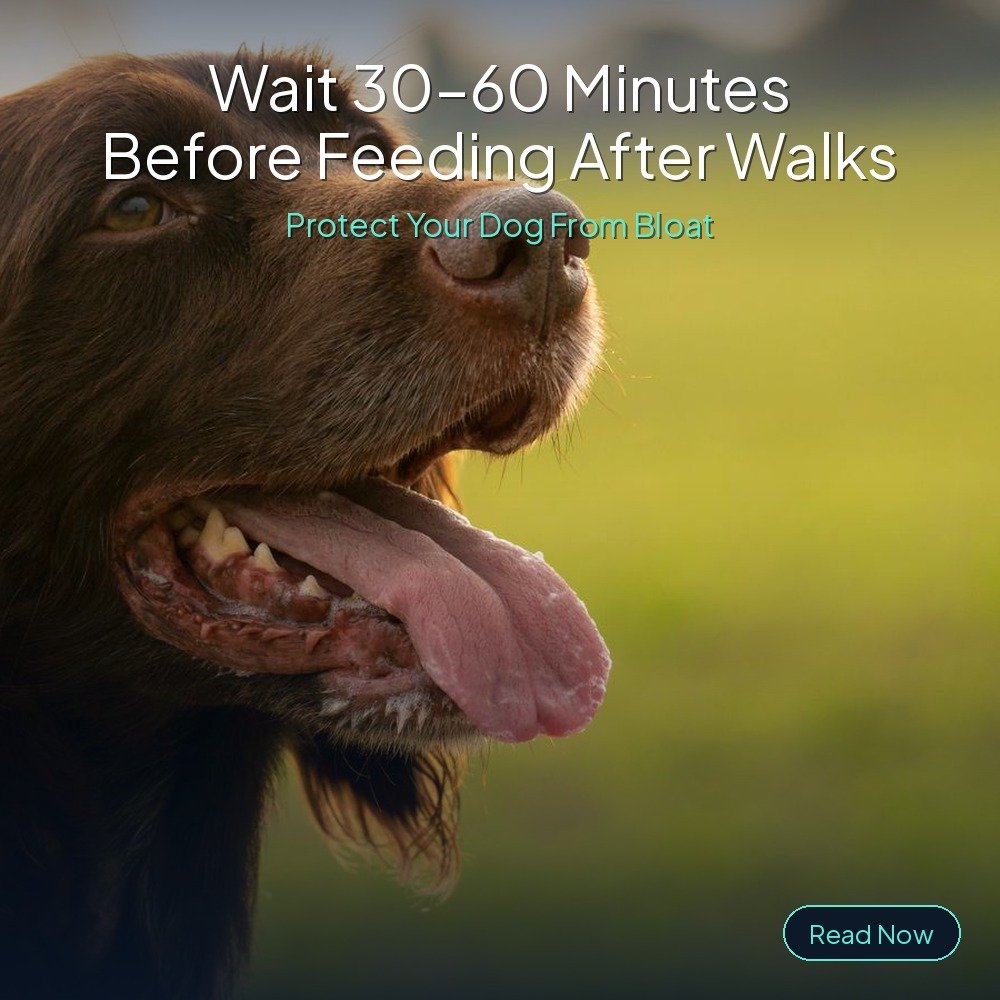
It sounds harmless — a bowl of food right before heading out, or dinner the second you walk back in. But timing your dog's meals around exercise is one of the simplest, most overlooked ways to prevent a genuine emergency.
Most pet parents have never heard of GDV. Fewer still know it can happen to a completely healthy dog on an ordinary Tuesday, after an ordinary walk. It's rare, but it's fast-moving and life-threatening — and the biggest risk factor is something entirely within your control: what's in your dog's stomach when they run, play, or exercise hard.
Gastric Dilatation-Volvulus, better known as bloat, happens when a dog's stomach fills with gas and then twists on itself, cutting off blood flow. According to Cornell's Riney Canine Health Center, exercising too soon after eating is one of the recognized risk factors, and the condition is far more common in large, deep-chested breeds — Great Danes, German Shepherds, Standard Poodles, Boxers, and similar builds.
VCA Hospitals describes GDV as "an immediate and life-threatening emergency" requiring urgent veterinary care — there's no home remedy or wait-and-see option once it starts. That's exactly why prevention matters so much more than reaction.
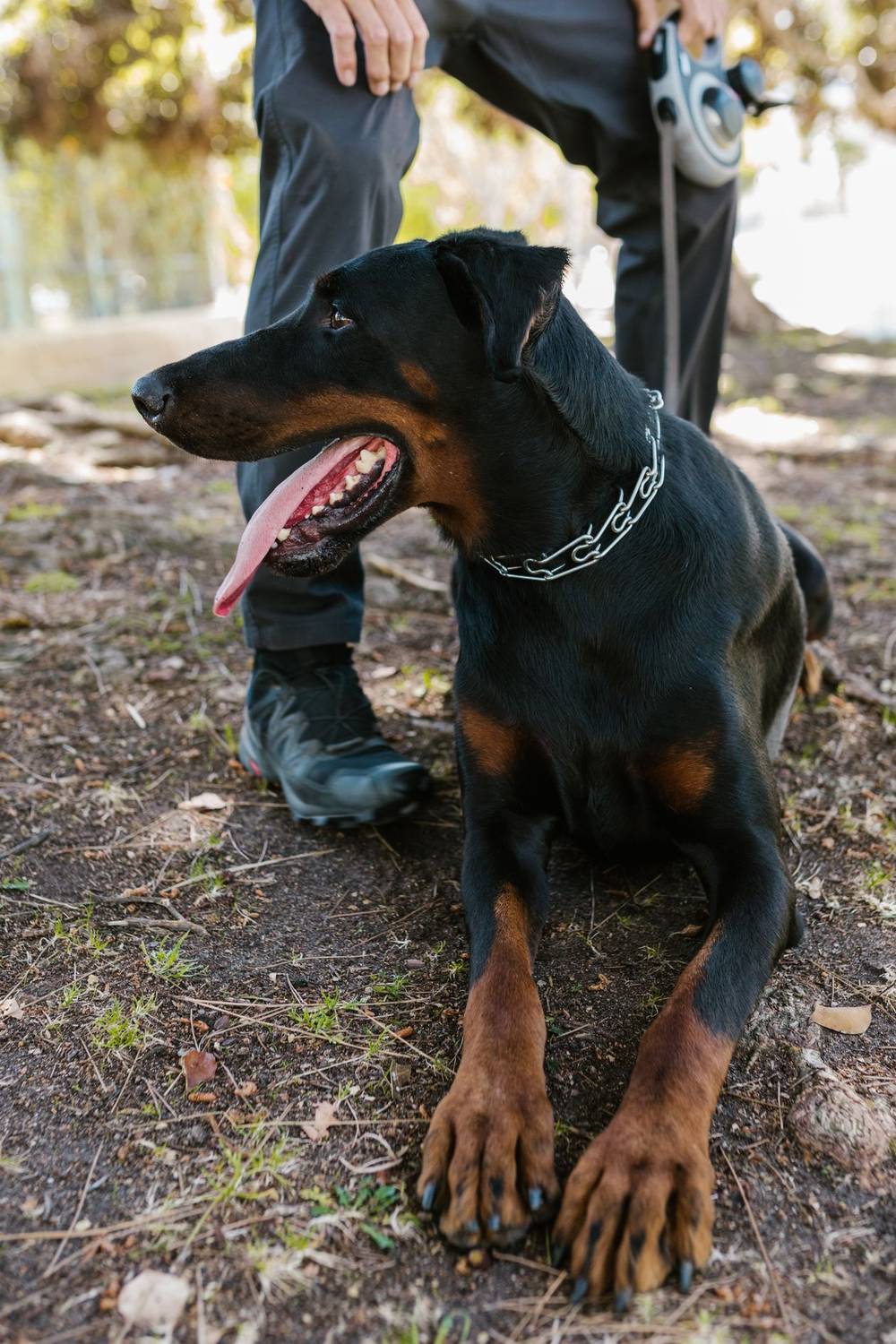
Deep-chested breeds are especially prone to bloat — giving them time to fully settle after exercise matters even more.
Even for dogs that aren't bloat-prone, feeding immediately around exercise causes problems. A dog that's still panting hard and overheated is putting its energy into cooling down and regulating body temperature — asking its body to also start digesting a full meal at the same time works against both processes. Their heart rate and breathing need to normalize first.
Digestion itself is demanding work. Blood flow shifts toward the stomach and intestines when a dog eats, and toward the muscles when a dog exercises. Ask the body to do both at once and you get the exact conditions that make vomiting, stomach upset, and sluggish digestion more likely — on top of raising bloat risk. Rest lets the body focus on one job at a time.
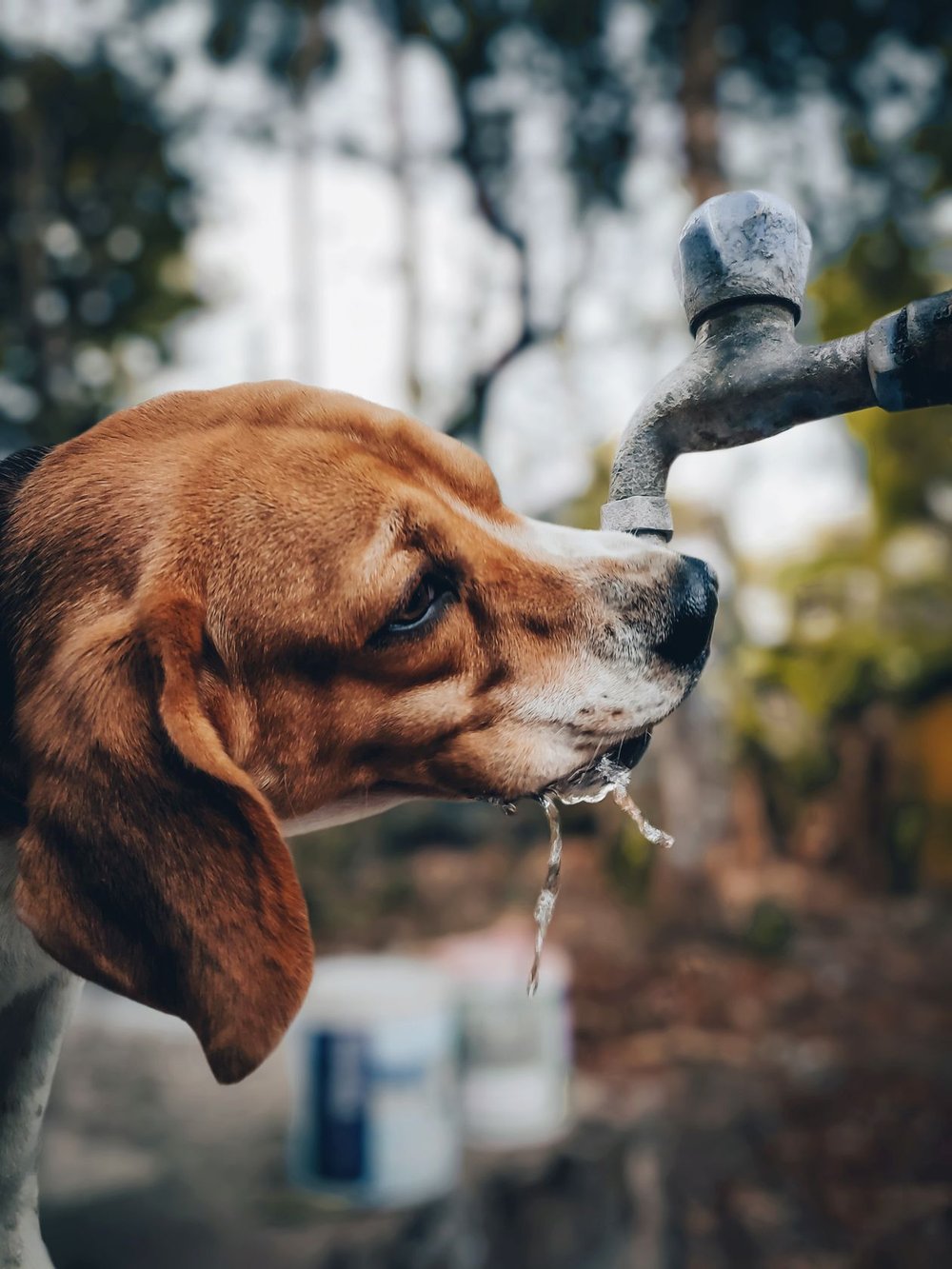
Water should always be available post-walk — just watch that they're sipping, not gulping.
Most owners worry about dehydration and forget the opposite problem exists too. The AKC notes that dogs who gulp large volumes of water very quickly — especially after intense exercise or swimming — are at risk of water intoxication, which dilutes sodium levels in the blood. PDSA explains this drop in sodium (hyponatremia) can become dangerous fast. The fix is simple: let your dog have water, just don't let a hot, exhausted dog chug an entire bowl in ten seconds. Short breaks between gulps are enough.
Florida heat raises the stakes. Dogs here are already working harder to regulate their body temperature on a normal walk, which means they're panting more, drinking more eagerly afterward, and need that cooldown window even more than dogs in milder climates. It's one more reason walks should be paced and timed thoughtfully — not just for enjoyment, but for safety.
When I'm walking or sitting for your dog, meals and water are always handled with this rest window in mind — no rushing a hot, tired dog straight to a full bowl. It's a small habit, but it's one of the easiest ways to keep every walk boring in the best possible way.
Dog walking, drop-in visits, overnight care, and more — serving Largo, Belleair, and Clearwater.
🗓️ Book Online NowOr call/text (727) 386-6349
 Spare Human Services